


Electrical transformers are critical components of modern power infrastructure, but their installation and operation are governed by strict technical and environmental regulations. These electrical transformers standards aim to ensure operational safety, protect personnel, and prevent environmental contamination—particularly from insulating oils used in many power transformers.
Across the world, regulators require utilities and industrial operators to implement specific design, containment, and monitoring measures to reduce risks such as oil leaks, fires, and groundwater pollution.
Electrical transformers contain large volumes of dielectric oil used for cooling and insulation. If a leak or failure occurs, this oil can contaminate soil and groundwater.
To mitigate these risks, most technical standards require protective measures such as:
Proper containment infrastructure is particularly important because oil leaks or rainwater contaminated with hydrocarbons can lead to environmental pollution, fire hazards, and costly regulatory penalties.
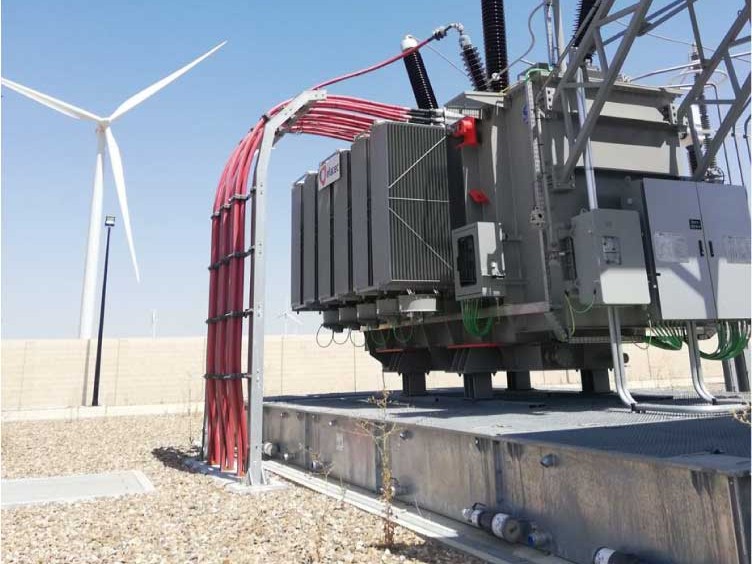
In the United States, transformer installations must comply with a combination of electrical safety codes and environmental regulations.
Several key standards and regulations apply:
Environmental protection requirements are defined by EPA regulations for facilities storing large quantities of oil, including substations. These regulations require the implementation of Spill Prevention, Control, and Countermeasure (SPCC) plans, which typically include the following measures:
In the United Kingdom, transformer installations are regulated through both electrical engineering standards and environmental protection legislation.
One of the most important technical standards is BS EN 61936-1, which defines the design and installation requirements for power installations exceeding 1 kV. This standard includes guidance for protecting the environment from transformer oil leaks.
It specifies that measures must be taken to contain insulating liquids from electrical equipment to prevent damage to soil and groundwater.
Additional regulatory frameworks include:
Australia also applies strict standards to the design and environmental protection of transformer installations, particularly in high-voltage substations.
Two important standards govern transformer containment:
These standards require containment systems around oil-filled transformers to manage spills and prevent environmental contamination.
For transformers containing large volumes of oil, the containment system must typically hold at least 110% of the transformer’s oil capacity to ensure that leaks or catastrophic failures are fully contained.
Australian electricity networks also require additional safety measures such as:
Complying with international electrical transformers standards often requires installing dedicated containment and pollution-control systems. Akhelec provides equipment designed to help operators meet environmental and safety regulations, including:
Contact us for guidance on the most suitable solutions for your project.
We offer environmental protection solutions for electric power transformer stations. Our services include: consultancy, design and assistance.
AKHELEC is a subsidiary of GMT International group, which has been providing support to businesses in the energy and environmental protection sectors for over 20 years.
Copyright © AKHELEC 2023