


This is a question of increasing concern in today’s energy landscape. Electrical transformers are critical for transmitting and distributing electricity across power grids, industrial sites, and renewable energy systems. However, under certain conditions, they can pose a significant fire risk. Understanding the causes, consequences, and mitigation strategies is essential for operators, utilities, and safety managers.
Transformers operate under high voltage and contain large quantities of dielectric oil, used for insulation and cooling. This oil is flammable, and in the event of internal faults, overheating, or short circuits, the transformer can explode or catch fire. Key causes of transformer fires include:
When a fire occurs, the consequences can be severe — including equipment loss, service interruption, environmental pollution, and even human injury.

Various international safety standards require fire risk management in transformer installations. These include:
Compliance often mandates secondary containment, fire protection system, stormwater filtration systems, and fire suppression equipment (for example : MX®-type fire extinguishing system comprising a set of factory-assembled galvanised sheet metal baffle plates).
Mitigating transformer fire hazards involves a combination of preventive design, protective systems, and routine inspections. Key strategies include:
One of the most effective strategies to reduce the fire risk of electrical transformers is the implementation of secondary containment bunds that incorporate fire suppression systems. These advanced containment solutions are specifically designed to both prevent the spread of oil leaks and automatically extinguish fires in transformer zones. Akhelec offers several specialized systems tailored to different operational needs:
Designed for outdoor transformer installations, the BAF® system combines oil spill containment with a natural fire extinguishing mechanism, offering rapid intervention in case of fire. Its compact design allows for quick deployment, while ensuring compliance with environmental standards. The system protects both equipment and the environment by preventing oil contamination and reducing the risk of fire escalation in electrical substations.

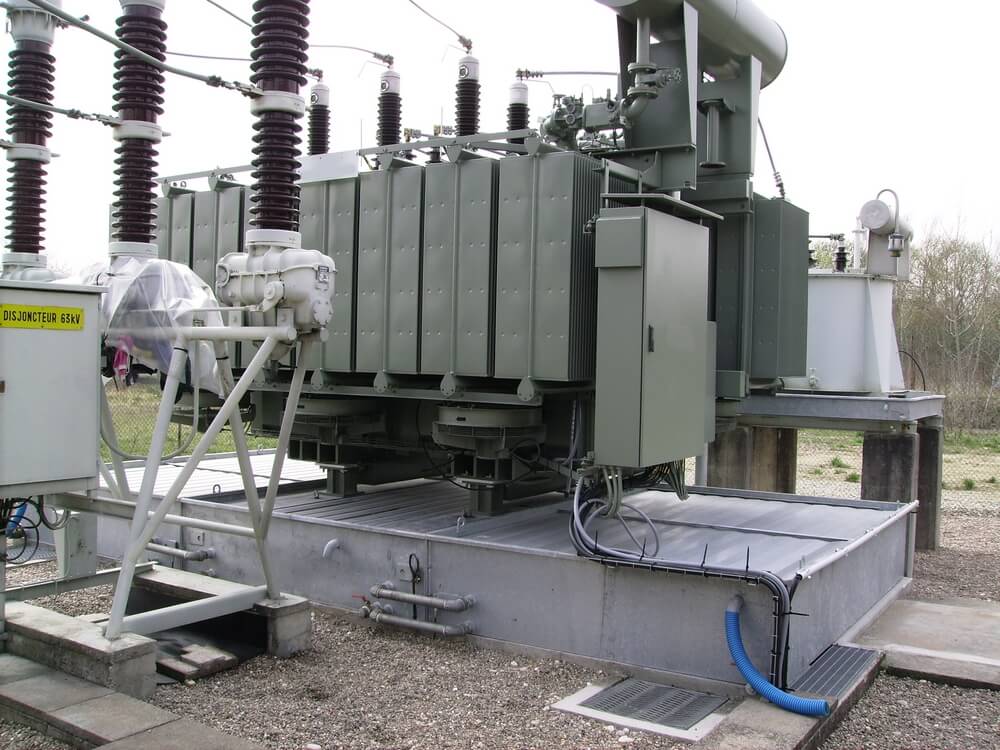
The BAFX® system is a scalable, modular solution that integrates fire suppression directly into its containment design. This adaptability makes it ideal for complex or evolving transformer layouts, such as in power generation plants. It provides both fire control and environmental protection, minimizing downtime in case of emergency and facilitating seamless installation even in constrained spaces.
Specifically engineered for indoor transformer installations, the CRAF® bund is a compact and efficient fire suppression system. It offers reliable oil retention and fire mitigation in enclosed areas where ventilation and space limitations heighten fire risks. By ensuring compliance with indoor safety regulations, CRAF® helps maintain continuous, safe operation within electrical facilities.


For transformers installed in concrete basins or recessed installations, the MX® system provides robust, field-tested fire suppression combined with oil spill protection. It is designed to respond rapidly in challenging environments, safeguarding critical infrastructure and limiting the spread of damage during high-voltage transformer incidents.
Early detection of abnormal temperature rises or electrical anomalies is key to preventing transformer fires. Thermal and electrical monitoring allows operators to identify and address issues such as overheating, insulation breakdown, or loose connections before they escalate into fire hazards.
One particularly effective preventive measure is the Q19 electrical inspection by infrared thermography, widely recognized in industrial and electrical maintenance standards. This method involves using infrared cameras to detect heat patterns on transformer components—such as terminals, bushings, and cables—without the need to shut down the equipment.
Monitoring the levels of oil is crucial for both fire prevention and environmental protection. A drop in oil level or the presence of water in a transformer’s containment area can indicate a leak or a compromised seal—both of which can lead to overheating or electrical faults, increasing the risk of fire.
Akhelec offers an advanced solution with its Bundguard® oil monitoring level system, designed specifically for transformer containment areas. This system continuously monitors fluid levels within the bund, ensuring that any leak or anomaly is quickly detected and addressed.
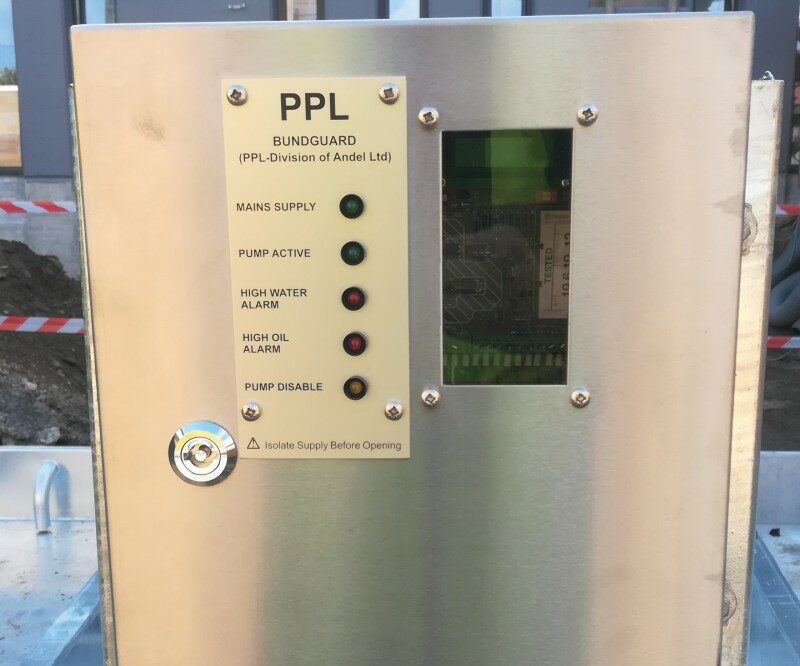
Yes, electrical transformers are a fire hazard, especially when poorly maintained or lacking appropriate protection systems. However, with the right combination of design, containment, monitoring, and compliance, the risk can be significantly minimized.
Akhelec, as an environmental protection specialist for electrical infrastructure, offers advanced containment and fire prevention solutions that help operators meet both safety and environmental standards — while protecting valuable assets and lives.
We offer environmental protection solutions for electric power transformer stations. Our services include: consultancy, design and assistance.
AKHELEC is a subsidiary of GMT International group, which has been providing support to businesses in the energy and environmental protection sectors for over 20 years.
Copyright © AKHELEC 2023