


Power station transformer installations play a critical role in energy production and distribution. These environments rely on oil-filled equipment that, while essential for operation, also presents a constant environmental risk. Even minor leaks can lead to soil and water contamination if not properly managed.
Transformers used in power stations contain significant volumes of dielectric oil, which ensures insulation and cooling. This oil, however, becomes a potential pollutant as soon as it escapes its containment system.
In the event of leakage or failure, hydrocarbons can quickly infiltrate the ground or mix with rainwater, creating contaminated runoff. This can lead to environmental damage, costly clean-up operations, and regulatory penalties.
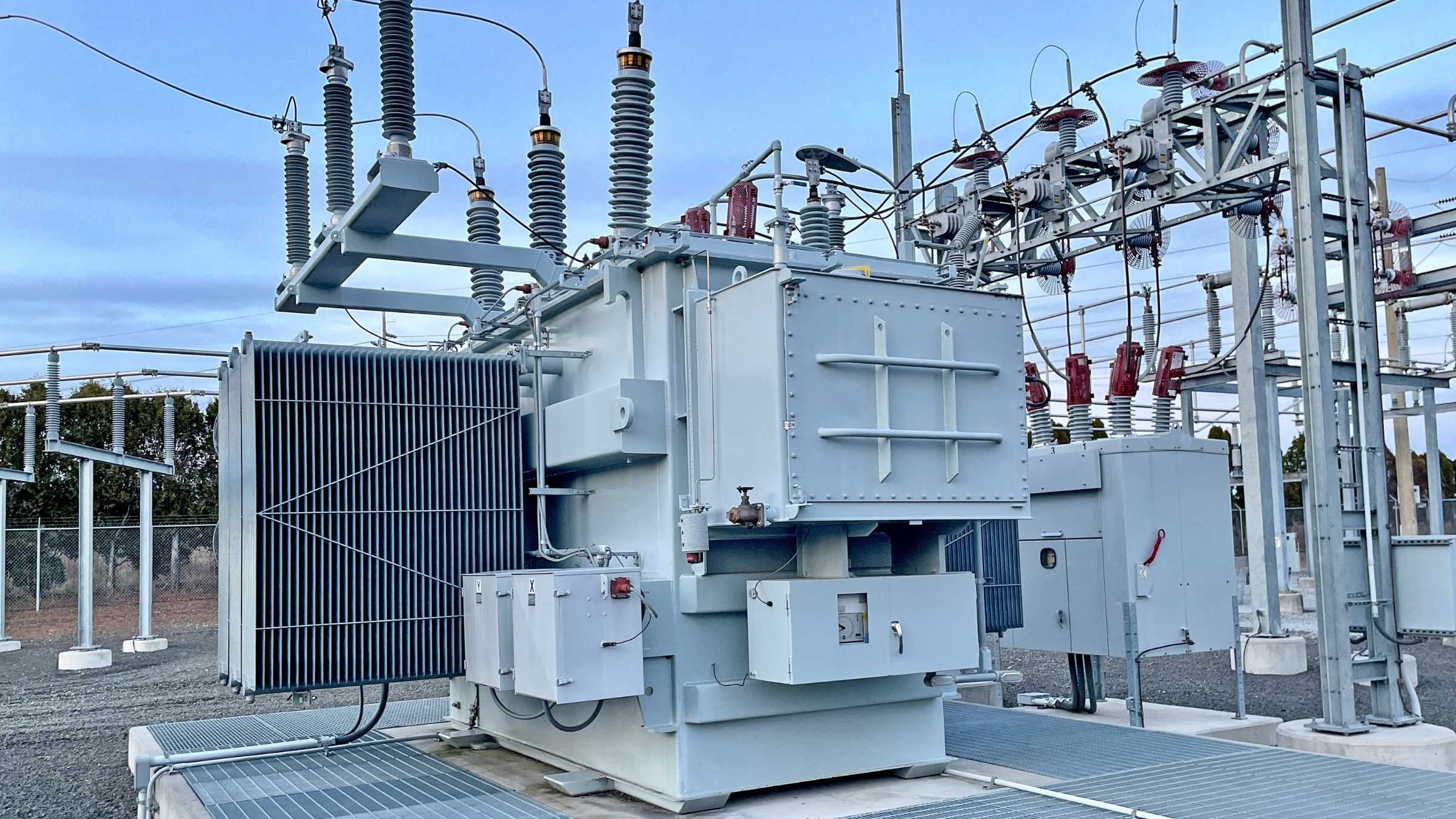
Oil contamination does not only result from major incidents. In many cases, it originates from smaller, less visible sources that accumulate over time.
Aging equipment can develop micro-leaks due to worn seals or material fatigue. Maintenance operations also represent a critical phase, where handling errors or improper procedures may lead to accidental spills.
Another major factor is the interaction between oil and rainwater. When precipitation enters containment areas, it can mix with residual hydrocarbons and carry pollutants beyond the site if not properly treated.
Understanding these sources is essential to implement effective prevention strategies.
Despite existing regulations and guidelines, certain recurring issues continue to increase contamination risks in power station environments.
One of the most common problems is the absence or under-dimensioning of containment systems. Without sufficient retention capacity, even a moderate leak can overflow into the surrounding environment.
Poor stormwater management is another frequent weakness. Draining rainwater without prior filtration exposes operators to the risk of discharging contaminated water.
In addition, the lack of monitoring systems often leads to uncertainty regarding the presence of hydrocarbons in retention areas. Combined with insufficient maintenance practices, these gaps can significantly increase the likelihood of environmental incidents.
The first step is to implement properly designed containment systems capable of retaining the full volume of oil in case of a leak.
Equally important is the management of rainwater collected within these areas. Water must be treated before discharge to ensure that no hydrocarbons are released into the environment. This involves the use of efficient filtration systems specifically designed for oil-water separation.
Operational procedures also play a key role. Regular inspections, controlled drainage processes, and staff training help minimize human error and ensure consistent safety standards.
Finally, continuous monitoring provides operators with real-time visibility, enabling informed decisions and preventing accidental pollution.
Containment and filtration systems act as a dual protective barrier around power station transformers.
Containment structures are designed to capture oil leaks and prevent their spread into the soil or groundwater. They form the first line of defense in the event of an incident.
Filtration systems complement this protection by treating rainwater collected in these areas. By separating hydrocarbons from water, they allow safe discharge while maintaining environmental compliance.
Together, these systems create a controlled environment where both routine operations and unexpected events can be managed without compromising safety or regulatory requirements.
To address these challenges, Akhelec develops and provides dedicated solutions for the environmental protection of transformers in power stations. The company designs containment bunds adapted to different transformer configurations, ensuring effective retention of dielectric oil in case of leakage. These systems are engineered to meet the specific constraints of industrial and energy sites.
In addition, Akhelec offers rainwater filtration solutions capable of removing hydrocarbons from water collected in containment areas. These technologies allow operators to discharge water safely while maintaining a high level of environmental protection.
Advanced filtration systems are designed to retain oil efficiently while allowing clean water to flow out, ensuring both operational continuity and regulatory compliance. Combined with monitoring solutions, they provide a comprehensive approach to managing oil-related risks in transformer zones.
Preventing oil contamination in power station transformer areas is essential for ensuring environmental protection, operational reliability, and regulatory compliance. By identifying potential risks, avoiding common mistakes, and implementing appropriate containment and filtration systems, operators can significantly reduce the likelihood of pollution incidents.
We offer environmental protection solutions for electric power transformer stations. Our services include: consultancy, design and assistance.
AKHELEC is a subsidiary of GMT International group, which has been providing support to businesses in the energy and environmental protection sectors for over 20 years.
Copyright © AKHELEC 2023