


Electrical transformer installations, particularly in substations and power station sites, often rely on oil-filled equipment for insulation and cooling. While essential to operations, this oil represents a significant environmental risk if not properly managed.
In the United States, the Clean Water Act (CWA) establishes strict rules to prevent pollutants, such as transformer oil, from entering surface waters. For operators, ensuring compliance is not only a legal obligation but also a critical step in protecting infrastructure and avoiding costly environmental incidents.
The Clean Water Act prohibits the discharge of pollutants into “waters of the United States” without proper control measures. Transformer oil, classified as a pollutant, can contaminate soil and groundwater if released.
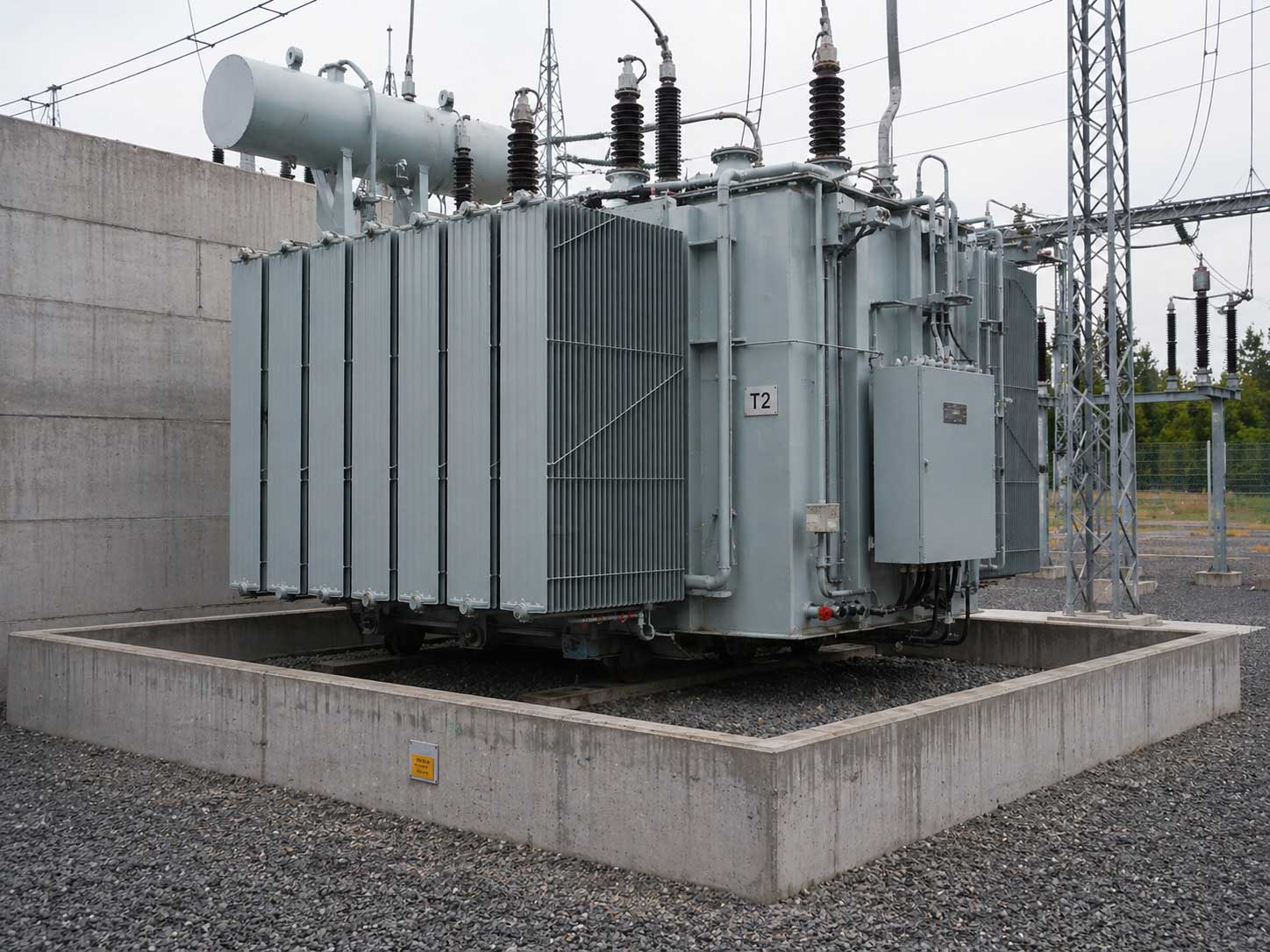
Transformer areas are particularly exposed because they combine several risk factors: large volumes of dielectric oil, outdoor installations, and exposure to rainfall. When oil leaks occur, even in small quantities, they can mix with stormwater and be transported beyond the site if not properly contained.
As a result, transformer installations must be designed and operated to ensure that no oil-contaminated water is discharged into the environment.
The Clean Water Act is closely linked to the Spill Prevention, Control, and Countermeasure (SPCC) regulations enforced by the Environmental Protection Agency (EPA). These rules apply to facilities that store significant quantities of oil, including electrical substations.
SPCC requirements mandate that operators implement preventive measures to minimize the risk of oil discharges. This includes the installation of secondary containment systems capable of capturing leaks, as well as procedures for managing spills and maintaining equipment.
Facilities must also ensure that any water accumulated in containment areas is properly controlled and treated before discharge. Failure to comply with SPCC requirements can result in significant penalties and operational disruptions.
Achieving compliance with the Clean Water Act requires a combination of engineering design, operational procedures, and dedicated equipment.
1. Secondary containment systems
One of the most important measures is the installation of secondary containment systems around transformers. These structures are designed to capture the full volume of oil in case of leakage or failure, preventing any spread into the surrounding environment.
2. Stormwater management and filtration
Equally critical is the management of stormwater. Rainwater collected in containment areas can become contaminated when it comes into contact with oil residues. Discharging this water without treatment is a direct violation of environmental regulations. Filtration systems must therefore be implemented to separate hydrocarbons from water and ensure that only clean water is released.
3. Monitoring and operational procedures
Operators should establish clear procedures for inspection, maintenance, and drainage. Regular monitoring of containment areas helps detect the presence of hydrocarbons and prevents accidental discharge. Training personnel and standardizing operations further reduce the risk of human error.
By combining containment, filtration, and monitoring, operators can create a robust system that prevents pollution while maintaining operational efficiency.
To support operators in meeting Clean Water Act and SPCC requirements, Akhelec provides dedicated solutions designed for transformer environments.
1. Containment bunds for oil retention
Akhelec designs containment bunds engineered to retain dielectric oil in the event of a leak or failure. These systems prevent contamination of soil and water and are adapted to various transformer configurations and site constraints.
2. Rainwater filtration systems
Akhelec also develops filtration systems to treat rainwater collected in containment areas. These solutions remove hydrocarbons and ensure that discharged water meets environmental standards, helping operators comply with regulatory requirements.
3. Advanced filtration and monitoring technologies
Advanced filtration technologies are designed to capture oil efficiently while allowing clean water to flow safely out of containment zones. Combined with monitoring systems, they provide a comprehensive approach to controlling oil-related risks and preventing accidental pollution.
Compliance with the Clean Water Act is a critical challenge for operators of electrical transformer installations. By understanding regulatory requirements and implementing appropriate containment, filtration, and monitoring systems, it is possible to prevent oil contamination and protect both the environment and infrastructure.
A proactive approach not only ensures regulatory compliance but also reduces operational risks and supports long-term sustainability in the energy sector.
We offer environmental protection solutions for electric power transformer stations. Our services include: consultancy, design and assistance.
AKHELEC is a subsidiary of GMT International group, which has been providing support to businesses in the energy and environmental protection sectors for over 20 years.
Copyright © AKHELEC 2023